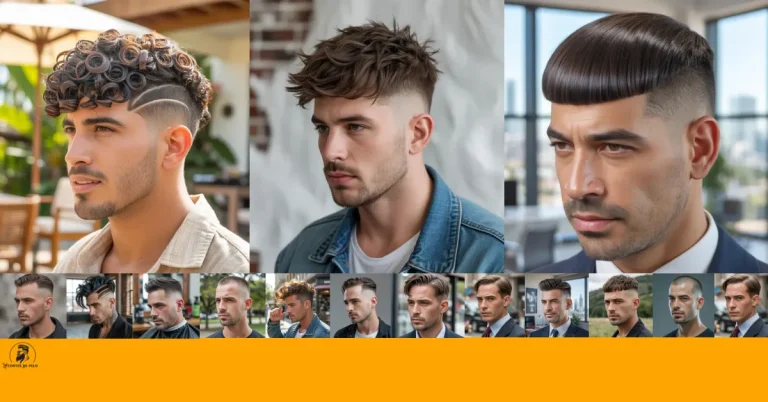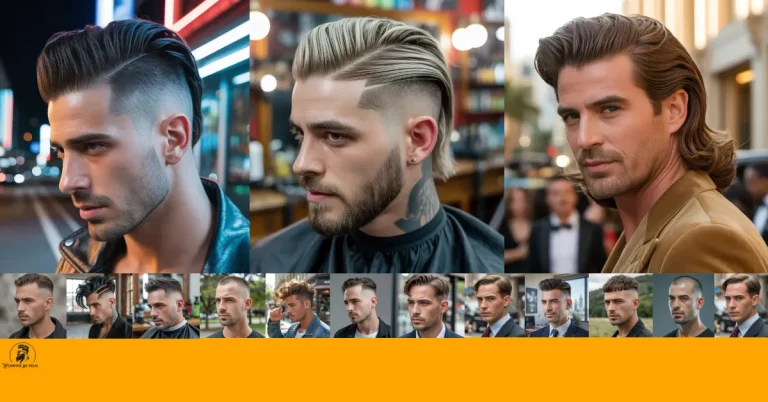
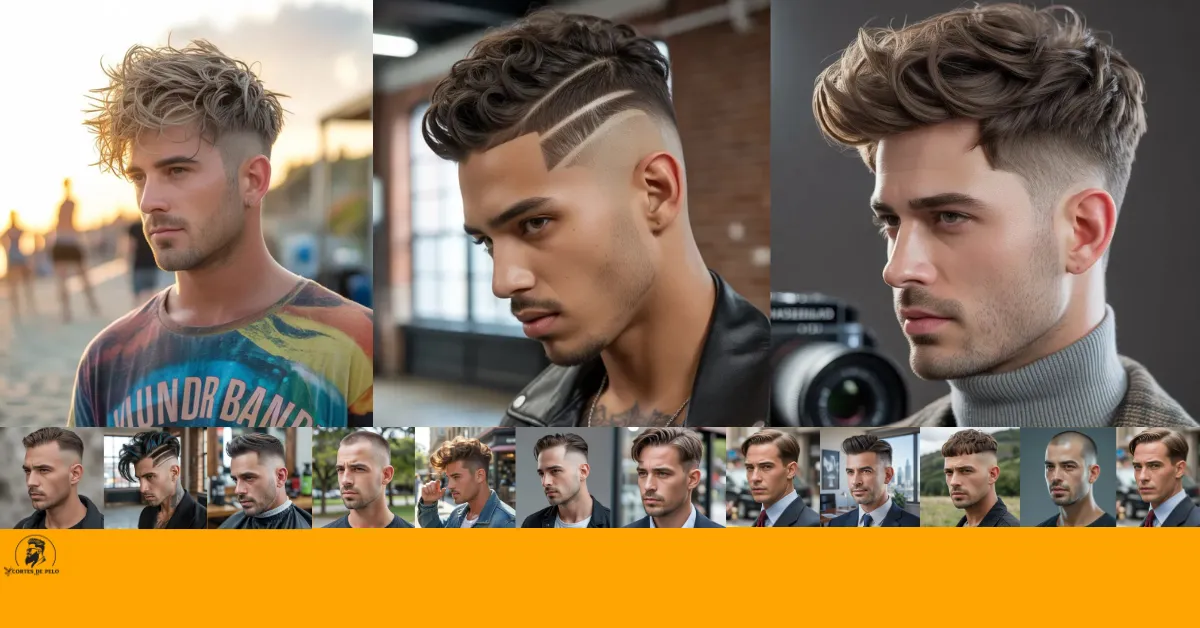
Textured Crop Haircuts: The Ultimate Style Guide 2026
Introduction: What is Textured Crop?
Textured crop haircuts represent a contemporary revolution in men’s barbering. This style, which combines the classic structure of a short cut with modern texturizing techniques, has become a favorite among men of all ages seeking a modern, versatile, and low-maintenance look.
The textured crop is characterized by maintaining sufficient length on top to create texture and movement, while the sides and nape are kept short or layered. The fundamental difference from other short cuts lies in the intentionality of the finish: instead of aiming for a smooth, uniform surface, the textured crop celebrates dimension, layering, and an intentionally tousled look that adds character and personality.
In this comprehensive guide, we’ll explore every variation of textured crop haircuts , from the most conservative styles to cutting-edge interpretations, covering styling techniques, specific products, and tips tailored to each hair type and face shape. Whether you’re looking for a radical change or simply want to update your current look, the textured crop offers endless possibilities for personalization.
History and Evolution of Textured Crop
Although textured crop haircuts seem like a recent invention, their roots lie in the 1990s, when British stylists began experimenting with sculpting techniques that challenged the sleek finishes dominant at the time. The Britpop movement, spearheaded by bands like Oasis and Blur, popularized unstructured cuts that blended streetwear elements with 1960s influences.
The textured crop ‘s real explosion occurred in the mid-2010s, when modern barbering experienced a resurgence and men began paying more attention to their hairstyles. The influence of celebrities like David Beckham, who sported variations of this style for years, solidified the textured crop as a respectable option for both the red carpet and everyday life.
Modern trends have refined the textured crop haircut by incorporating precise fades, advanced texturizing techniques, and specific products that allow for control without stiffness. What began as an alternative style has transformed into the standard of modern masculinity, adapting to professional, creative, and athletic contexts with equal ease.
Anatomy of the Perfect Textured Crop
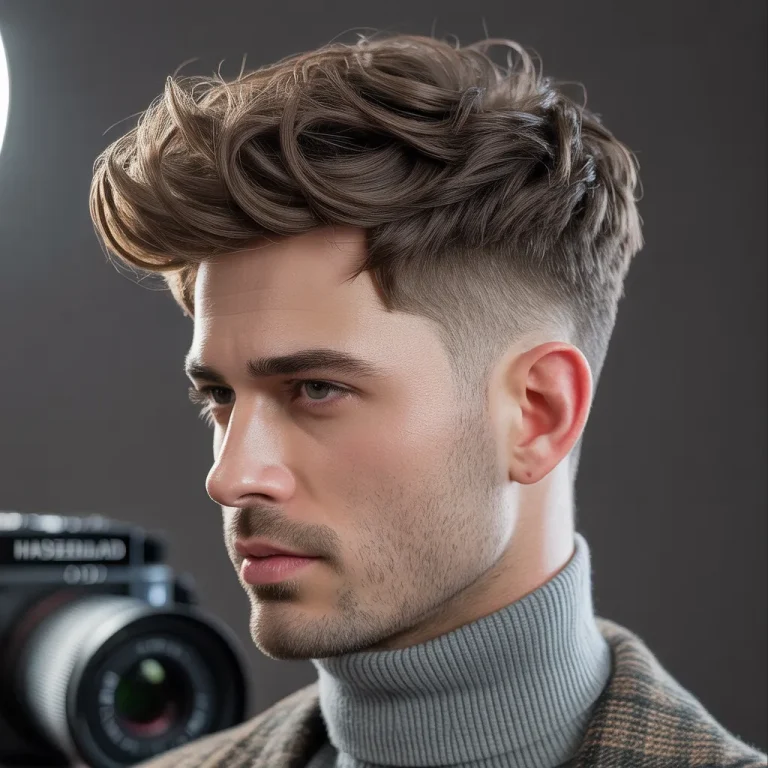
Before exploring the specific variations, it is essential to understand the structural elements that define quality textured crop haircuts :
The Top: Heart of Style
The top section of a textured crop typically maintains a length of between 3 and 8 centimeters, although this measurement varies depending on hair density and the desired effect. The key lies in the weight distribution: shorter inner layers support volume, while the longer ends create movement and visible texture.
The texturizing techniques used include:
- Point cutting: Cutting at the tips to soften and create direction
- Slide cutting: Slide cutting for fluid layers
- Razor cutting: Razor for smooth texture and natural movement
- Thinning shears: Thinning shears to reduce density without losing shape
- Notching: A technique for dramatic separation
The Sides: Frame of the Face
In textured crop haircuts , the sides create the aesthetic contrast. Options include:
- Classic taper: Soft fade with scissors, conservative and timeless
- Low fade: The low fade or low fade cut starts near the ears and is ideal for professional environments.
- Mid fade: The mid fade or mid taper raises the fade to the height of the temples for modern balance.
- High fade: The high fade or high fade cut offers maximum contrast and urban style.
- Skin fade: Skin exposure for a defined urban look
- Undercut: Completely short sides with a sharp line
The Nape of the Neck Area
The nape of the neck in a textured crop can be kept with a soft taper for a classic look, or faded completely to accentuate the texture on top. The choice depends on the shape of the head and the client’s lifestyle.
Face Types and Compatibility with Textured Crop
Oval Face: Total Freedom
Men with oval faces can experiment with any variation of textured crop haircuts . The natural symmetry of this face shape allows for everything from soft, rounded textures to angular, defined finishes.
Recommendations:
- Textured crop with central volume to highlight symmetry
- Variants with high fade for modern look
- Tousled texture for a relaxed style
Round Face: Creating Structure
For round faces, textured crop haircuts should add angles and visually lengthen the face. The texture should be concentrated at the crown with a vertical direction, avoiding volume at the cheeks.
Strategies:
- Textured crop with height at the top
- Short or tapered sides to narrow
- Avoid texture on the sides of the face
- Hairstyle direction: upwards and backwards
Square Face: Softening Angles
Square faces benefit from textured crop haircuts with soft texture and movement that counteract the strong jawline. The sides should maintain some length to avoid accentuating the bone structure.
Approaches:
- Fluid texture without sharp angles
- Sides with a gentle taper (not too short)
- Textured bangs falling over the forehead
- Matte finishes to avoid rigidity
Long Face: Balancing Proportions
For long faces, textured cropping should create visual width and avoid excessive height. The texture is distributed horizontally rather than vertically.
Tactics:
- Concentrated texture on the sides of the crown
- Sides with greater length for balance
- Avoid updo hairstyles
- Bangs that partially cover the forehead
Heart-Shaped Face: Lower Balance
With a wide forehead and narrow chin, textured crop haircuts should add visual presence to the lower part of the face.
Solutions:
- Texture on upper sides to create width
- Sides with sufficient volume
- Avoid very short cuts in the sideburn area
Textured Crop Haircut Styles
1. Classic Textured Crop
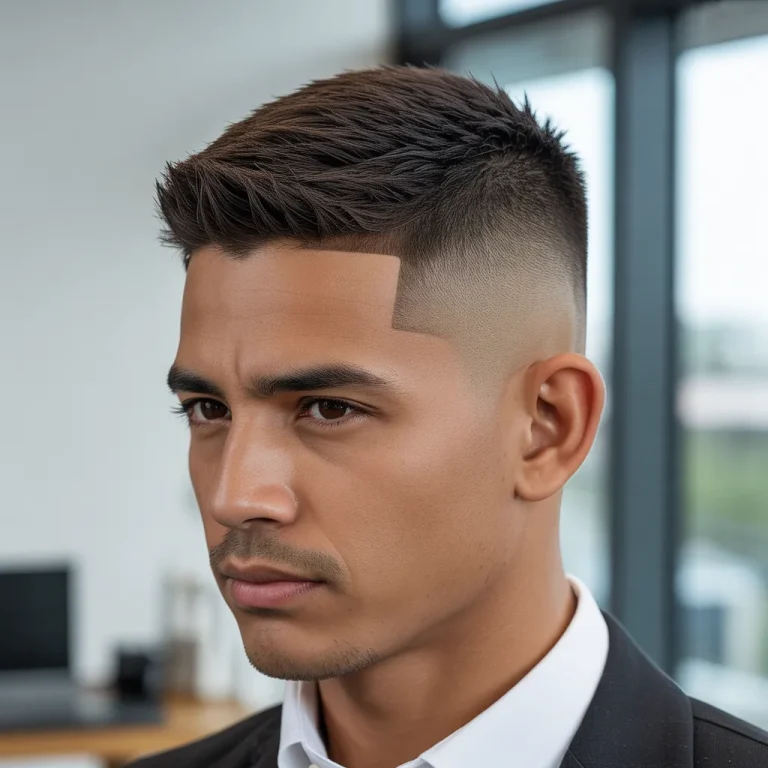
The classic textured crop haircut is the foundation upon which all modern variations are built. It maintains a uniform length on top (4-6 cm) with moderate texture and softly tapered sides.
Technical specifications:
- Top: 4-6 cm with point cutting
- Sides: Progressive taper from 2 cm to 0.5 cm
- Nape: Soft taper or light fade
- Texture: Moderate, natural movement
- Finish: Matte or semi-matte
Hairstyling technique:
- Apply texturizing product to slightly damp hair
- Distribute with your fingers from roots to tips
- Create separation using circular movements with your fingertips
- Adjust individual strands as desired
- Set with a light spray if necessary
Ideal contexts: Conservative offices, universities, semi-formal environments, versatile daily use.
Maintenance: Visits to the barber every 3-4 weeks.
2. Textured Crop with Low Fade (Low Fade Textured Crop)
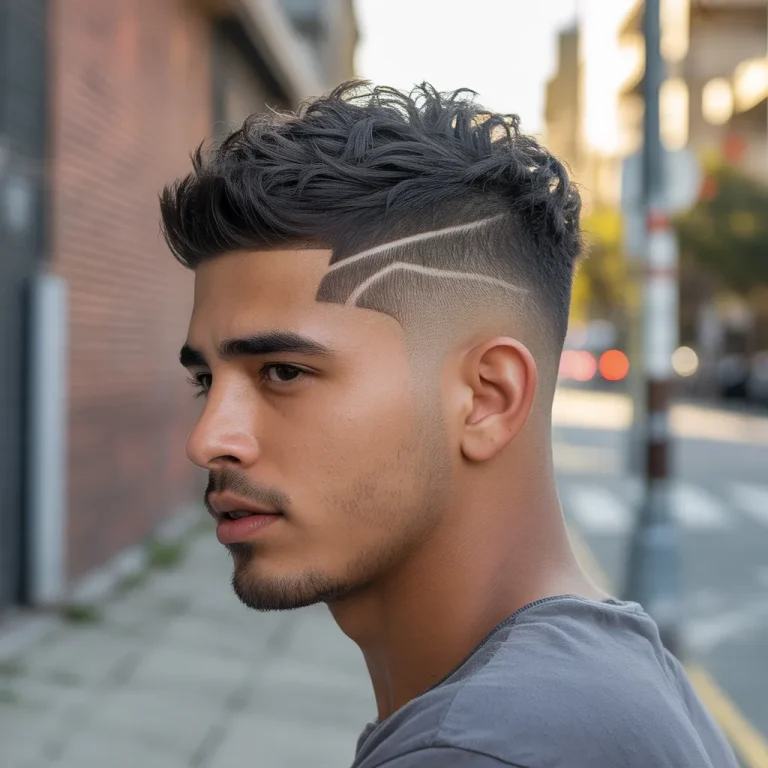
The addition of a low fade transforms the textured crop into a crisp, contemporary option. The fade starts just above the ears, maintaining a professional yet modern look.
Advantages of this combination:
- Define the facial structure
- Facilitates daily maintenance
- Add youth without excess
- It works in corporate environments
- Reduce weight on the sides for thick hair
Specs:
- Fade starting 1-2 cm from the ear
- Gradual fade upwards
- Textured upper 4-7 cm
- Sharp contour line around ears
3. Textured Crop with Mid Fade (Mid Fade Textured Crop)
The mid fade raises the starting point to the temples, creating greater contrast between the top texture and the short sides. This variation offers a balance between boldness and versatility.
Characteristics:
- Fade starting between temples and timeline
- Visible but smooth transition
- Top with pronounced texture
- Ideal for medium to thick hair
Recommended styles:
- Tousled texture for a youthful look
- Defined texture for controlled modernity
- Concentrated volume for visual impact
4. Textured Crop with High Fade (High Fade Textured Crop)
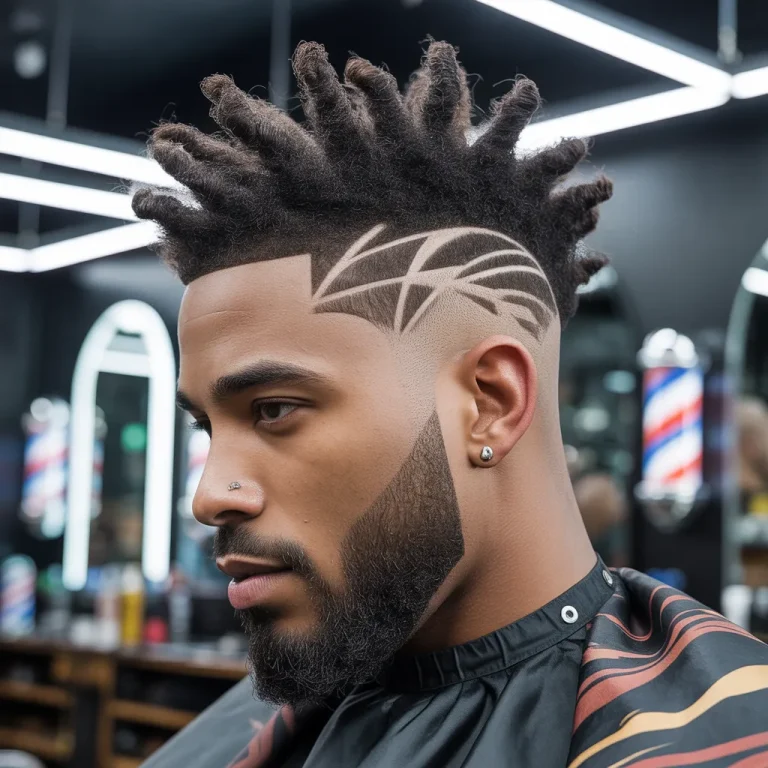
For the most daring, the high fade raises the gradient to the crown, maximizing contrast and focusing all attention on the top texture.
Technical specifications:
- Fade starting near the top hairline
- Maximum skin exposure on the sides
- Top part with significant texture (5-8 cm)
- Precise contour line
Considerations:
- Requires frequent maintenance (every 1-2 weeks)
- Ideal for warm climates
- Predominantly youthful and urban style
- Perfect for thick hair
5. Textured Crop with Skin Fade (Bald Fade Textured Crop)
The skin fade technique extends the gradient completely into the skin, offering maximum definition and sharpness. This technique requires considerable professional skill.
Variants:
- Classic skin fade: Smooth transition to skin
- Skin fade with design: Gradient lines or patterns
- Skin fade with hard part: Shaved line for definition
Maintenance: Visits to the barber every 7-10 days to maintain sharpness.
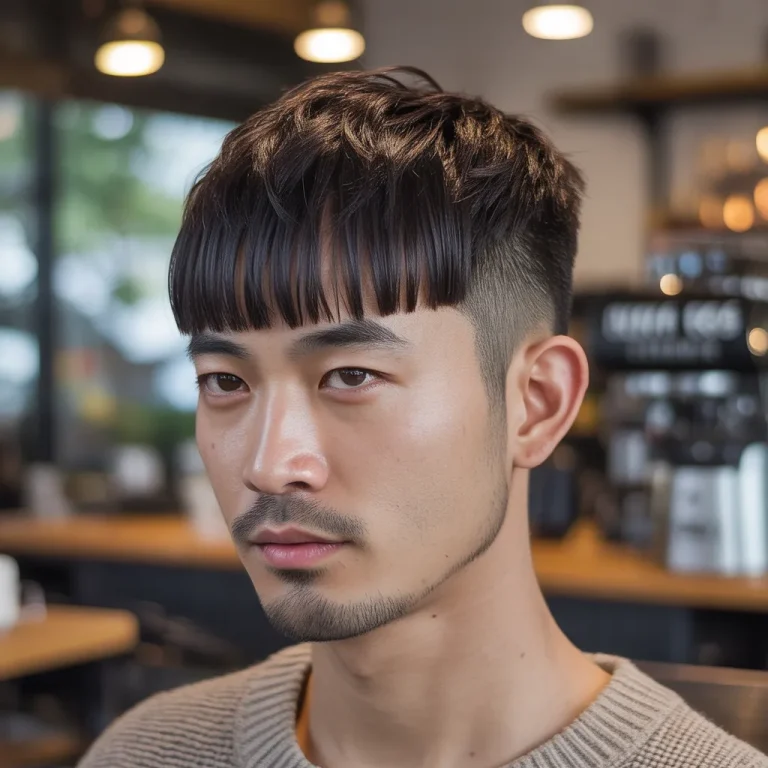
6. Textured Crop with Fringe
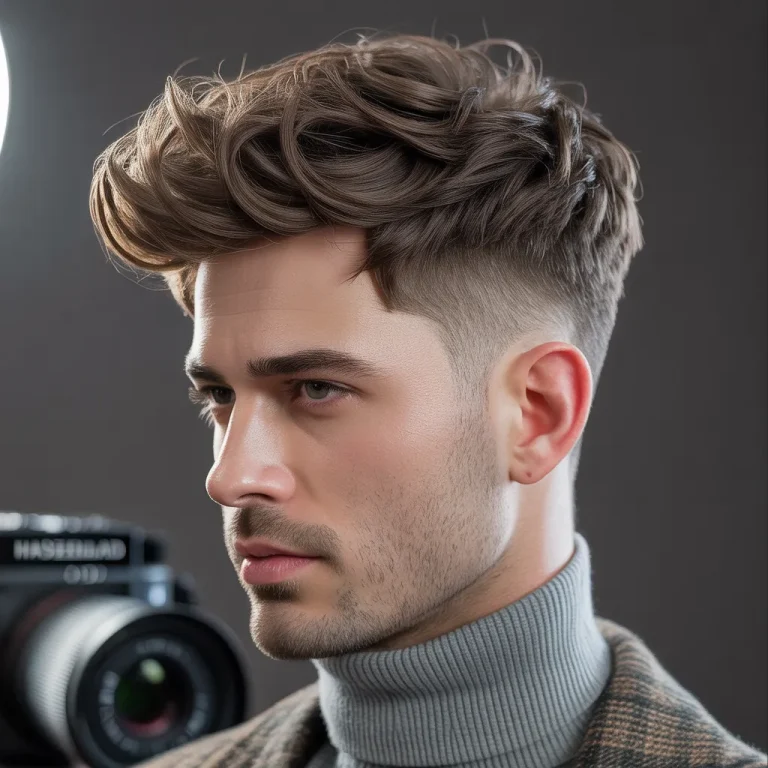
This variation maintains extra length in the front area, creating a textured fringe that falls over the forehead. It’s ideal for those who want to soften features or add a youthful look.
Fringe styles:
- Short bangs: 3-4 cm, falls just above the eyebrow line
- Medium fringe: 5-6 cm, partially covers forehead
- Long bangs: 7-8 cm, casual and modern look
- Textured bangs: Intentional parting and movement
Styling technique:
- Apply product to damp hair
- Dry with a diffuser or natural air for texture
- Manipulate bangs with fingers for separation
- Set with matte product
7. Messy Textured Crop
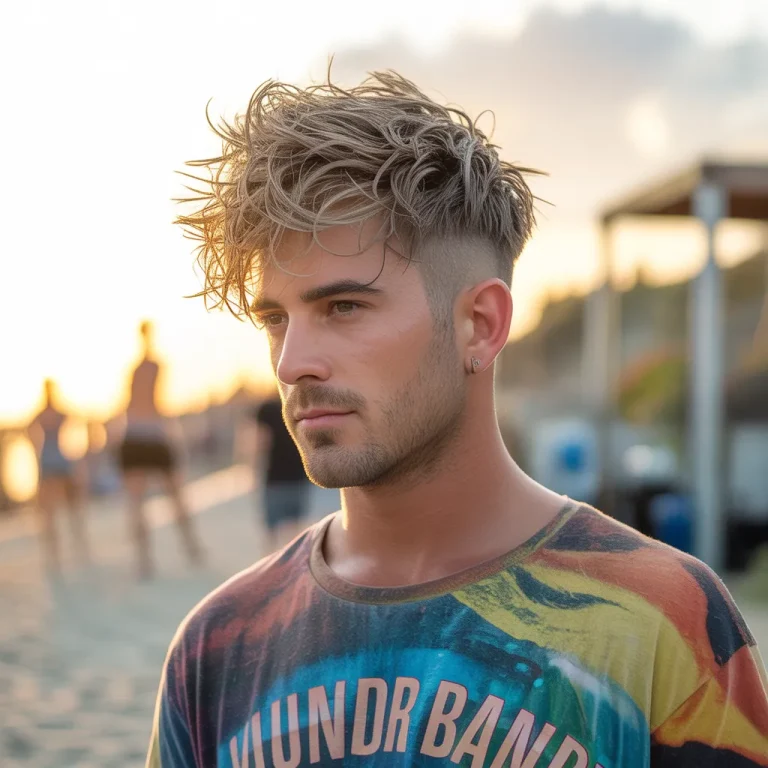
The textured, tousled crop takes texture to the extreme, celebrating the “just woke up” look as an intentional aesthetic. It requires specific products to maintain control within the mess.
Key elements of the look:
- Maximum separation of strands
- Multiple (non-uniform) directions
- Absolute matte finish
- Unstructured volume
Essential products: Matte clays, texturizing pastes, volumizing powders, sea salt sprays.
8. Textured Crop with Volume (Voluminous Textured Crop)
For those who want visual presence, this variant maximizes body at the crown through internal layering techniques and directional drying.
Maximization techniques:
- Short internal layers to support structure
- Drying with a round brush, lifting the roots
- Wet bulking products
- Texture added after base volume
9. Textured Crop Curly (Curly Textured Crop)
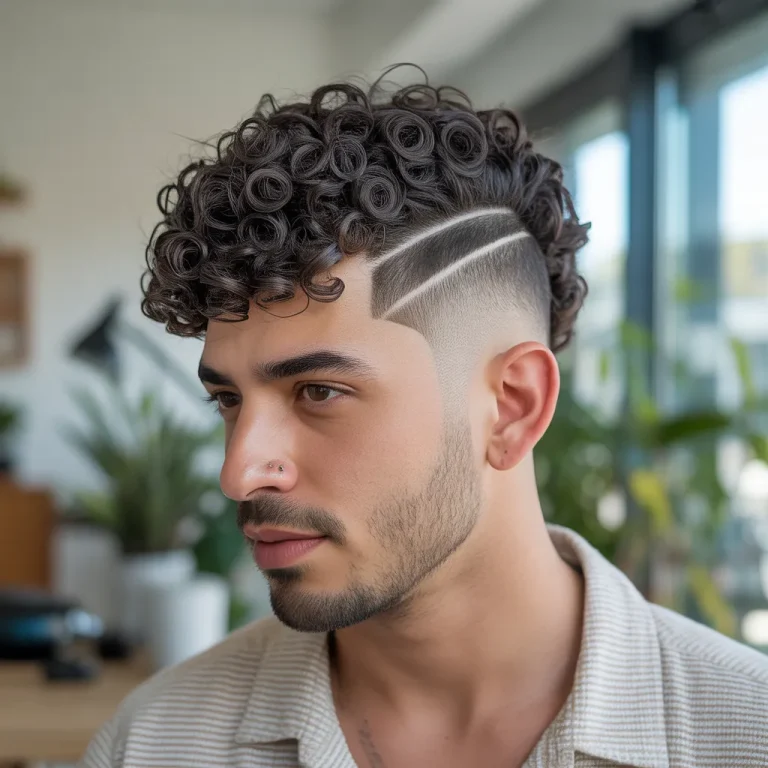
Specifically designed for curly hair , this variant works with the natural texture rather than against it, defining the curls while maintaining the crop’s structure.
Specific techniques:
- Layers that release the curl pattern
- Careful gradients to avoid a “helmet” effect
- Hydrating and curl-defining products
- Dry with a diffuser or natural air.
10. Textured Crop for Fine Hair
For hair with receding hairlines or lower density , the textured crop can create the illusion of thickness through specific techniques.
Strategies:
- Strategic layers to create body
- Texture instead of uniform cut (avoids a sparse appearance)
- Densifying and volumizing products
- Moderate lengths in the upper part
11. Textured Crop with Undercut
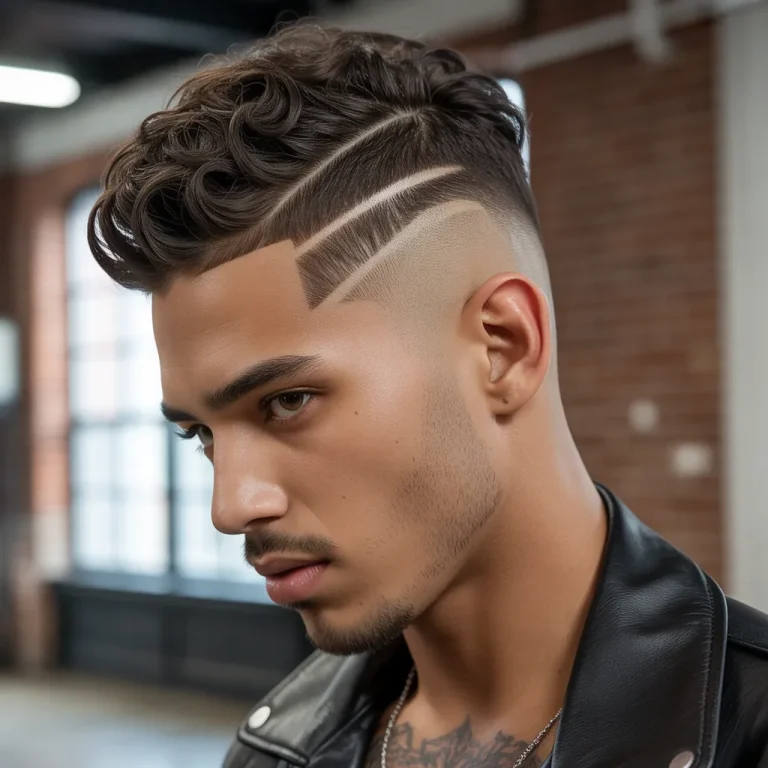
The combination of textured crop with undercut creates dramatic contrast: sides completely short or shaved with a sharp line, and a top with substantial texture.
Variants:
- Classic undercut: Uniformly short sides
- Disconnected undercut: Intentional abrupt transition
- Undercut with design: Patterns on shaved sides
12. Textured Crop with Hard Part
The hard part (shaved line) adds geometric precision to the textured crop, creating a sharp line that separates the top texture from the short sides.
Specs:
- 3-5 mm line shaved to skin
- Usually combined with fade
- Requires frequent maintenance (every 5-7 days)
- It can be single or double
Professional Texturing Techniques
Point Cutting
A fundamental technique in textured crop haircuts . The scissors are inserted vertically into the hair, cutting small sections to create soft ends and direction.
Application: Ideal for creating natural movement and eliminating excess weight.
Slide Cutting
The scissors glide along the strand, gradually cutting to create smooth layers without harsh lines.
Application: Perfect for smooth transitions between sections of different lengths.
Razor Cutting
The razor simultaneously textures and smooths, creating sharp points that move naturally.
Application: Excellent for thick hair that needs density reduction with movement.
Thinning
Special scissors with teeth remove a large amount of hair without altering the outer length.
Application: Volume control in dense hair, density distribution.
Notching
Advanced technique that creates dramatic separation through deep, intermittent cuts.
Application: Cutting-edge looks, maximum texture and definition.
Product Guide for Textured Crop
For a natural and matte texture
Texturizing clays:
- Hanz de Fuko Claymation. Discover more products and tools for men, such as clays, pastes, and texturizing powders.
- Baxter of California Clay Pomade
- Moroccanoil Texture Clay
Features: Medium to strong hold, matte finish, separation and definition.
For Volume and Body
Texturizing powders:
- Schwarzkopf OSIS+ Dust It
- American Crew Boost Powder
- TIGI Bed Head Wax Stick
Application: On dry roots for instant lifting.
For Curly Hair
Defining creams:
- Shea Moisture Coconut & Hibiscus Curl Enhancing Smoothie
- Cantu Shea Butter for Natural Hair
- DevaCurl SuperCream
Features: Hydration, curl definition, frizz control.
For Flexible Fixing
Pastas and creams:
- American Crew Fiber
- TIGI Bed Head Matte Separation
- Redken Brews Work Hard Molding Paste
For Gloss Finish (Classic Variants)
Light ointments:
- Layrite Natural Matte Cream
- Uppercut Deluxe Featherweight
Step-by-Step Hairstyling Routine
For Classic Textured Crop
- Washing: Shampoo and conditioner according to hair type
- Drying: Towel until excess water is removed
- Product: Clay or paste, small pea quantity
- Distribution: Rub between palms, apply from roots
- Texturing: Use fingers to create separation
- Definition: Adjust individual strands
- Fixation: Light spray if necessary
Estimated time: 3-5 minutes
For Textured Crop with Volume
- Preparation: Apply volumizing product to damp hair.
- Drying: With a hairdryer and round brush, lifting the roots
- Texture: Apply clay when it is 90% dry
- Parting: Thumb and index finger to create strands
- Finish: Apply texturizing powder to roots if you need more body
Estimated time: 8-12 minutes
For Curly Textured Crop
- Washing: Sulfate-free shampoo, moisturizing conditioner
- Product: Defining cream for wet hair
- Definition: “Praying hands” or finger curling method
- Drying: Diffuser on low speed or natural air
- Adjustment: Gently separate curls when dry
- Fixation: Light gel if necessary
Estimated time: 15-20 minutes (including drying)
2026 Trends in Textured Crop
1. Textured Crop with Subtle Color
The textured crop haircuts of 2026 incorporate coloring techniques that add dimension: masculine balayage, subtle highlights, or tones that contrast slightly with the natural color.
2. Extreme and Asymmetrical Texture
Trend towards more dramatic textures, with strands of different lengths creating intentional three-dimensional effects.
3. Combination with a well-developed beard
The textured crop is combined with medium to long beards, creating a balance between hair texture and facial volume.
4. Sustainability in Products
Increased demand for clays, pastes and treatments with natural, organic, paraben-free and sulfate-free ingredients, cruelty-free.
5. Advanced Texturing Techniques
Incorporation of Asian and Scandinavian texturizing techniques that prioritize natural movement and hair health.
Common Mistakes and Solutions
Error 1: Excess Product
Problem: Heavy hair, greasy appearance, loss of texture.
Solution: Start with a minimal amount (half a pea), distribute completely, and evaluate before adding more.
Error 2: Texture in Wrong Place
Problem: Texture on the sides visually widens round faces.
Solution: Concentrate texture on the crown, keep sides clean and short according to face shape.
Mistake 3: Ignoring Hair Growth
Problem: Keeping the cut beyond its useful life ruins the design intent.
Solution: Establish a maintenance schedule according to the chosen style.
Error 4: Products unsuitable for texture
Problem: Using shiny ointments that flatten the texture.
Solution: Choose products specifically designed for texture: clays, matte pastes, powders.
Mistake 5: Ignoring Hair Type
Problem: Straight hair techniques applied to curls or vice versa.
Solution: Adapt the textured crop to the natural texture, don’t fight against it.
FAQs
Does a textured crop work for very straight hair? Absolutely. Straight hair can benefit from point cutting techniques and texturizing products that create separation. Straight hair provides the ideal base for polished and structured textured crop haircuts . Consider a soft perm if you want additional wave.
How long does it take to style a textured crop?
Between 3 and 15 minutes, depending on the style. Tousled styles are quicker; those requiring blow-drying take longer.
Can I get a textured crop if I have a receding hairline?
Yes. The texture can be strategically distributed to minimize areas of thinning hair. Consult your barber about specific techniques.
Is the textured crop top appropriate for men over 50?
Definitely. Classic variations with a soft taper are particularly flattering, adding a modern touch without being over the top.
How do I transition from a longer cut?
Schedule a transition consultation where your barber will assess your current hair and plan intermediate stages if needed.
Does a textured crop require a blow dryer?
Not necessarily, although a blow dryer can help maximize volume in certain variations. Many styles work with air drying.
Conclusion: Your Perfect Textured Crop
Textured crop haircuts represent the natural evolution of modern masculinity: structured but not rigid, well-groomed but not excessive, professional yet full of personality. This style has transcended its origins as an alternative trend to become the standard of contemporary barbering precisely because of its adaptability.
The key to mastering the textured crop lies in understanding that it’s not a single cut, but a family of styles that adapt to your face shape, hair texture, lifestyle, and personal preferences. Whether you prefer the subtlety of the classic soft taper, the impact of the skin fade, or the expressiveness of the curly crop, there’s a variation designed specifically for you.
By 2026, texturizing techniques have reached levels of sophistication that allow for truly unique customizations. The textured crop is no longer simply “a short, textured cut”; it’s a canvas upon which artistic barbers can sculpt individual expressions of masculine identity.
Invest in finding a professional who understands your vision, experiment with products that work best with your specific hair biology, and embrace regular maintenance as an investment in your personal presentation. The textured crop haircut , when cultivated with intention, pays dividends of confidence, versatility, and style that impact every interaction of your day.
Your ideal textured crop is waiting. Take the plunge today. For more inspiration on modern haircuts and style trends, we recommend visiting GQ , where you’ll find the latest hairstyle recommendations and celebrity looks.